
Concise Ethnobotanical and Nutritional Analysis of Seasonal Vegetables
This report provides a concise overview of selected winter and summer vegetables, covering their botanical classification, brief plant descriptions, cultivation tips, and traditional Ayurvedic perspectives. A comprehensive nutritional profile is presented in a table for easy reference.
Winter Vegetables
Radish (Raphanus sativus)
- Botanical Name & Family: Raphanus sativus L., Brassicaceae (mustard family).
- Plant Description: Annual/biennial herb grown for swollen taproots (globular to cylindrical, various colors, white flesh). Leaves are lyrate, in a rosette.
- Cultivation Tips: Fast-growing, cool-season crop. Prefers full sun, light sandy loams (pH 6.5-7.0). Sow 1.2 cm deep, 2.5 cm apart. Matures in 3-4 weeks. Requires thinning and consistent moisture. Bolts in heat.
- Ayurvedic Description: Known as mulaka. Sharp, hot, bitter (sweet when cooked). Pacifies Vata and Kapha, awakens Pitta. Aids digestion, constipation, hemorrhoids. Best consumed freshly cooked, especially for Vata types, often with ghee.
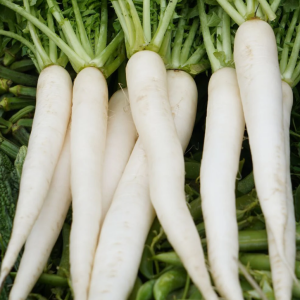
Nutritional profile of seasonal vegetable (per 100g raw edible portion):
| Vegetable | Botanical Name | Calories (kcal) | Carbohydrates (g) | Protein (g) | Fat (g) | Fiber (g) | Key Vitamins | Key Minerals |
|---|---|---|---|---|---|---|---|---|
| Radish | Raphanus sativus | 19 | 3.9 | 0.8 | 0.1 | 1.9 | C (17-19 mg) | Folate, B6, K, Ca, K, Na, Fe, Mn |
Carrot (Daucus carota subsp. sativus)
- Botanical Name & Family: Daucus carota subsp. sativus, Apiaceae (umbellifer family).
- Plant Description: Biennial plant cultivated for its taproot (typically long, conical, orange). Leaves are pinnately compound. Produces compound umbels of small white flowers in the second year.
- Cultivation Tips: Cool-season vegetable, matures in 70-80 days. Prefers full sun, deep, loose, well-drained sandy or loamy soil (pH 6.3-6.8). Requires consistent moisture and thinning. Susceptible to blights and nematodes.
- Ayurvedic Description: Classified as Rasayana (rejuvenating). Balances Pitta and Kapha. Purifies blood, supports lung and liver health, enhances vision (due to Vitamin A). Beneficial for indigestion, constipation, and immunity. Best consumed cooked; Carrot Halwa for winter, juice with ginger for summer.
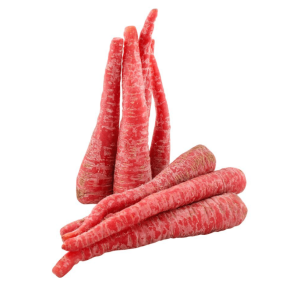
Nutritional profile of seasonal vegetable (per 100g raw edible portion):
| Vegetable | Botanical Name | Calories (kcal) | Carbohydrates (g) | Protein (g) | Fat (g) | Fiber (g) | Key Vitamins | Key Minerals |
| Carrot | Daucus carota subsp. sativus | 41 / 25 | 9.6 / 6 | 0.93 / 1 | 0.24 / 0 | 2.8 / 2 | A (835 µg), K (13.2 µg), C (5.9 mg) | K (320 mg), Ca, Fe, Mg, Mn, P, Na, Zn |
Palak (Spinach) (Spinacia oleracea)
- Botanical Name & Family: Spinacia oleracea L., Amaranthaceae (formerly Chenopodiaceae).
- Plant Description: Leafy green annual (rarely biennial) plant, up to 30 cm tall. Leaves are alternate, ovate to triangular. Inconspicuous yellow-green flowers mature into lumpy fruit clusters. Dioecious (male or female flowers on separate plants).
- Cultivation Tips: Cool-weather leafy green, best grown in early spring and fall. Direct sow seeds 1.2 cm deep, 5 cm apart. Thrives in sun to partial shade. Tends to “bolt” in hot summer temperatures. Susceptible to damping-off and aphids.
- Ayurvedic Description: Cold potency (Sita), slightly astringent. Heavy (Guru) and sticky (Picchila) properties. Balances Pitta, can aggravate Vata (unless cooked with warming spices like cumin/ginger). Good for anemia, blood purification, digestion, and skin health. Its Picchila property is believed to reduce hair dryness and hair loss.
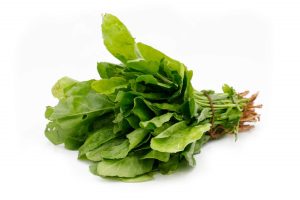
Nutritional profile of seasonal vegetable (per 100g raw edible portion):
| Vegetable | Botanical Name | Calories (kcal) | Carbohydrates (g) | Protein (g) | Fat (g) | Fiber (g) | Key Vitamins | Key Minerals |
| Palak (Spinach) | Spinacia oleracea | 23 / 7 | 4 / 1 | 3 / 1 | <1 / 0 | – / 1 | A (52% DV), C (31% DV), K (403% DV), Folate (49% DV) | Mn (39% DV), K, Fe, Mg |
Methi (Fenugreek) (Trigonella foenum-graecum)
- Botanical Name & Family: Trigonella foenum-graecum L., Fabaceae (legume family) .
- Plant Description: Annual plant with three small obovate to oblong leaflets. Seeds are cuboid, yellow to amber. Distinctive maple-syrup smell (sotolon) .
- Cultivation Tips: Annual, cool-season crop, can withstand some frost. Prefers at least four hours of sun, ideally afternoon shade. Best in free-draining soil. Direct sowing preferred (0.5 cm deep, 5 cm apart). Requires regular watering. Harvest leaves when plants are 25 cm tall (approx. 6 weeks).
- Ayurvedic Description: Known as “Methi,” a powerful medicinal herb with antioxidant, anti-diabetic, and anti-inflammatory properties. Used to enhance breast milk, reduce menstrual pain, and lower blood glucose. Paste from leaves/seeds used for hair care (conditioner, strengthener, dandruff reduction).
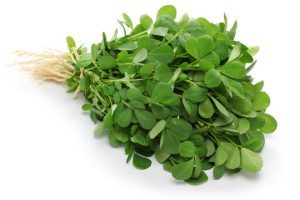
Nutritional profile of seasonal vegetable (per 100g raw edible portion):
| Vegetable | Botanical Name | Calories (kcal) | Carbohydrates (g) | Protein (g) | Fat (g) | Fiber (g) | Key Vitamins | Key Minerals |
| Methi (Fenugreek) Leaves | Trigonella foenum-graecum | 49 / 323 | 6 / 58 | 4 / 23 | 1 / 6.41 | 1 / 24.6 | C (220 mg), A, Beta-carotene | Ca (395 mg), Fe (2 mg), P (51 mg), K (770 mg), Mg, Zn, Cu, Na |
Sarson Saag (Mustard Greens) (Brassica juncea)
- Botanical Name & Family: Brassica juncea, Brassicaceae (mustard family).
- Plant Description: Annual herb, 1-2 feet tall. Features short, petiolate, elliptic to obovate basal leaves (up to 1 foot long) with varied margins. Produces bright yellow, four-petaled flowers. Cultivated for leaves and pungent seeds.
- Cultivation Tips: Cool-season vegetable. Plant up to six weeks before last spring frost or in early autumn. Thrives in full sun (6-8 hours), fertile, organically rich, consistently moist, well-drained soils. Sow 1.2 cm deep, 2.5 cm apart. Harvest 40-50 days after planting; younger leaves are milder. Bolts in heat.
- Ayurvedic Description: Considered to have a “heating” quality, ideal for winter consumption. Traditional Sarson ka Saag combines mustard greens with other greens, cooked with warming spices (garlic, ginger, green chilies) and ghee to balance properties and enhance digestibility.
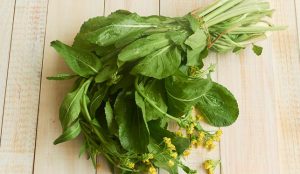
Nutritional profile of seasonal vegetable (per 100g raw edible portion):
| Vegetable | Botanical Name | Calories (kcal) | Carbohydrates (g) | Protein (g) | Fat (g) | Fiber (g) | Key Vitamins | Key Minerals |
| Sarson Saag (Mustard Greens) | Brassica juncea | 26.8 / 15 | 4.64 / 2.6 | 2.86 / 1.6 | 0.36 / 0.2 | 3.21 / 1.8 | K (144.2 µg), C (39.2 mg), A (84.56 µg RAE) | Ca (64.4 mg), Cu, Fe, Mg, P, K, Se, Na, Zn |
Beetroot (Beta vulgaris)
- Botanical Name & Family: Beta vulgaris, Amaranthaceae (formerly Chenopodiaceae) .
- Plant Description: Herbaceous biennial, typically cultivated as an annual for its thick, fleshy taproot (dark purplish-red, sometimes white/orange). Leaves are oblong with red petioles, also edible. Produces minute green flowers in the second year.
- Cultivation Tips: Cool-season crop, thrives in spring and fall (8-10 weeks growing season). Sow 4-5 weeks before last spring frost (soil temp > 7°C). Prefers moist, fertile, light to sandy, well-drained soils (pH > 6.0). Requires consistent moisture. Thin seedlings to 5-7.5 cm apart. Harvest 7-8 weeks after planting.
- Ayurvedic Description: Balances all three doshas (Vata, Pitta, Kapha). Considered grounding and soothing. Rich in vitamins, minerals, and antioxidants. Promotes digestive health (fiber), cleanses liver, aids immunity, and fights inflammation. Nitrates convert to nitric oxide, improving blood flow and lowering blood pressure.
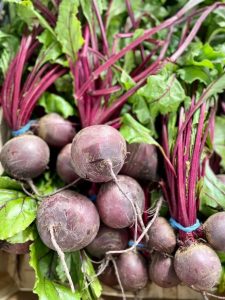
Nutritional profile of seasonal vegetable (per 100g raw edible portion):
| Vegetable | Botanical Name | Calories (kcal) | Carbohydrates (g) | Protein (g) | Fat (g) | Fiber (g) | Key Vitamins | Key Minerals |
| Beetroot | Beta vulgaris | 35 / 58 | 8 / 13 | 1 / 2.2 | 0 / 0.2 | 2 / 3.8 | C (4 mg), Riboflavin, Folate, A, K | K (6 mg), Na (64 mg), Fe (4 mg), Ca, Mn |
Capsicum (Bell Pepper) (Capsicum annuum)
- Botanical Name & Family: Capsicum annuum L., Solanaceae (nightshade family) .
- Plant Description: Flowering plant, herb or small shrub (0.3-1.2 m tall). Glossy, oval leaves. Star- or bell-shaped flowers (white, greenish, purple, or lavender). Fruits are true berries, wide variety of shapes/sizes/colors (green, red, yellow, orange, black), often changing color as they ripen.
- Cultivation Tips: Requires a long, warm growing season. Set out plants 1-2 weeks after last frost. Plant 18-24 inches apart in sunny, well-drained spot (pH 6.2-7.0). Mix compost into soil. Water regularly (1-2 inches/week). Support taller plants. Harvest with shears/knife before first fall frost.
- Ayurvedic Description: Bell peppers are generally considered less pungent than chilies. As part of the Capsicum genus, they contain phytochemicals like flavonoids and carotenoids. While specific Ayurvedic properties for bell peppers are less detailed than for hot chilies, their general family properties suggest they might influence Pitta due to their warming nature, but their sweetness can balance Vata.
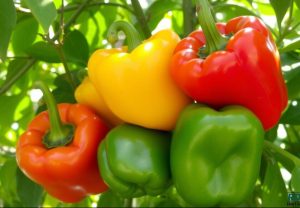
Nutritional profile of seasonal vegetable (per 100g raw edible portion):
| Vegetable | Botanical Name | Calories (kcal) | Carbohydrates (g) | Protein (g) | Fat (g) | Fiber (g) | Key Vitamins | Key Minerals |
| Capsicum (Bell Pepper) | Capsicum annuum | 24 / 25 | 6 / 6 | 1 / 1 | 0 / 0 | 2 / 2 | C (106 mg), A (2 mcg RAE) | Ca (1 mg), K (4 mg), Na (4 mg), Fe (2 mg) |
Cabbage (Brassica oleracea)
- Botanical Name & Family: Brassica oleracea var. capitata, Brassicaceae (mustard family).
- Plant Description: Leafy green, red, or white biennial plant grown as an annual for its dense-leaved heads (0.5-4 kg). Descended from wild cabbage. Fibrous, shallow root system. Produces yellow/white flowers in the second year.
- Cultivation Tips: Cool-season vegetable, thrives in 4-24 °C. Prefers well-drained, fertile soil (pH 6.0-6.8). Start seeds indoors 6-8 weeks before last frost. Space plants 30-61 cm apart. Requires consistent moisture and adequate nitrogen. Harvest when heads are firm and solid.
- Ayurvedic Description: Pacifies Pitta and Kapha, may aggravate Vata unless well-cooked. Considered alkalizing, relaxing, anti-inflammatory. High in fiber, promotes healthy bowel movements. Contains glucosinolates. Best eaten well-cooked with spices and oils to aid digestion.
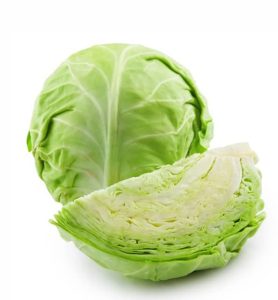
Nutritional profile of seasonal vegetable (per 100g raw edible portion):
| Vegetable | Botanical Name | Calories (kcal) | Carbohydrates (g) | Protein (g) | Fat (g) | Fiber (g) | Key Vitamins | Key Minerals |
| Cabbage | Brassica oleracea | 25 / 18 | 5 / 4 | 2 / 1 | 0 / 0 | 2 / 2 | C (44% DV), K (72% DV), B6, Folate | Ca, Fe, K, Na |
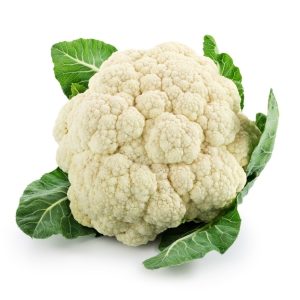
Cauliflower (Brassica oleracea)
- Botanical Name & Family: Brassica oleracea Botrytis Group, Brassicaceae (crucifer family) .
- Plant Description: Biennial plant, grown as an annual for its edible “curd” (fused flower head). Closely related to broccoli. White curds are traditional, but colored varieties (orange, green, purple) exist. Intolerant of heat, drought, and freezing.
- Cultivation Tips: Cool-weather vegetable, grown as spring or fall crop. Sow seeds indoors 6-8 weeks before last spring frost. Requires consistent moisture and fertility. Some varieties are “self-blanching”; others need leaves tied to protect curd from sun. Susceptible to cabbage looper.
- Ayurvedic Description: Light to digest, suitable for balancing Kapha due to its drying and slightly astringent nature. Can kindle digestive fire (Agni) and clear Ama (toxins). Can increase Vata due to dry/rough qualities, so Vata types should consume in moderation, cooked with Vata-balancing spices and ghee.
Nutritional profile of seasonal vegetable (per 100g raw edible portion):
| Vegetable | Botanical Name | Calories (kcal) | Carbohydrates (g) | Protein (g) | Fat (g) | Fiber (g) | Key Vitamins | Key Minerals |
| Cauliflower | Brassica oleracea | 25 / 27 | 5 / 5 | 2 / 2 | 0 / 0 | 2 / 2 | C (100% DV) , C (57 mg) | K (270 mg) , Ca, Fe, Na |
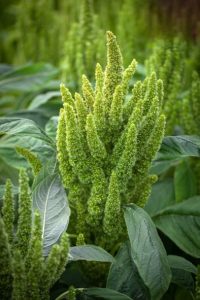
Chaulayi (Amaranth) (Amaranthus)
- Botanical Name & Family: Amaranthus (e.g., Amaranthus cruentus), Amaranthaceae family.
- Plant Description: Annual, large, bushy plant (90-130 cm tall) with erect, branched stems. Leaves are oblong-lanceolate, pointed green. Produces pink or white flowers in summer/autumn. Seeds are yellow, white, red, brown, pink, or black.
- Cultivation Tips: Prefers warm climates and well-drained soils (pH > 6-7). Sow indoors mid-April to mid-May (15-22°C) or outdoors mid-June (soil temp > 15°C). Germination is quick (7-10 days). Requires consistent moisture. Harvest first leaves weeks after sowing. Not hardy, dies below freezing.
- Ayurvedic Description: Rich in vitamins, minerals, protein, and fiber. Exhibits antibacterial, anti-inflammatory, antioxidant, digestive, and hypolipidemic properties. Used for heart ailments, digestive disorders (indigestion, constipation, flatulence), bone/joint problems, diabetes, cholesterol, obesity, skin/hair issues, and anaemia. Helps manage high sugar levels by improving metabolism.
Nutritional profile of seasonal vegetable (per 100g raw edible portion):
| Vegetable | Botanical Name | Calories (kcal) | Carbohydrates (g) | Protein (g) | Fat (g) | Fiber (g) | Key Vitamins | Key Minerals |
| Chaulayi (Amaranth) Leaves | Amaranthus | 102 / 17 | – / 2.1 | 3.8 / 1.56 | 1.56 / 0.2 | 2.1 / 0.4 | A, B6, C, E | Fe, Mg, P, Cu, Ca, K, Se, Mn |
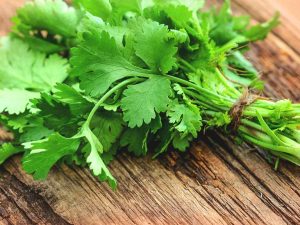
Dhaniya (Coriander) (Coriandrum sativum)
- Botanical Name & Family: Coriandrum sativum, Apiaceae (parsley family).
- Plant Description: Annual herb, up to 50 cm tall. Leaves vary in shape (broadly lobed at base, feathery higher up). Produces small umbels of white or pale pink, asymmetrical flowers. Fruit is a globular, dry schizocarp (3-5 mm diameter).
- Cultivation Tips: Thrives in temperate regions, tropical highlands, and subtropics. Prefers sandy loam but adapts to well-drained loam/clay. Germinates above 4°C (optimal 17-27°C). Requires adequate water during seedling stage. Harvest leaves 30-40 days after sowing. Seeds harvested in 2-3 months when heads turn brown.
- Ayurvedic Description: Distinct aroma, cooling properties, medicinal value. Rich in vitamins (C, K, A), minerals (iron, calcium), and antioxidants. Pitta-pacifying, helps balance Kapha. Beneficial for digestion, detoxification, skin health, inflammation, and overall vitality. Aids acid reflux, bloating, respiratory issues, and blood sugar regulation.
Nutritional profile of seasonal vegetable (per 100g raw edible portion):
| Vegetable | Botanical Name | Calories (kcal) | Carbohydrates (g) | Protein (g) | Fat (g) | Fiber (g) | Key Vitamins | Key Minerals |
| Dhaniya (Coriander) Leaves | Coriandrum sativum | – | 4 | 2 | <1 | – | A (37% DV), C (30% DV), K (258% DV) | Fe, Ca, Mg, Mn, Se |
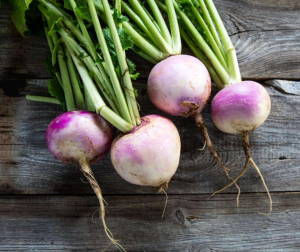
Turnip (Brassica rapa, variety rapa)
- Botanical Name & Family: Brassica rapa, variety rapa, Brassicaceae (mustard family).
- Plant Description: Hardy biennial plant cultivated for its fleshy roots and tender tops. Root forms from primary root and stem base. Leaves are grass-green, hairy, in a rosette. Produces erect, branched stem with smooth leaves and clusters of small, bright yellow flowers in the second year.
- Cultivation Tips: Cool-season crop, does not require long growing season. Sow in early spring or late summer. Prefers sunny location, cool conditions, fertile, moisture-retentive soil. Sow 1 cm deep. Thin seedlings to 10-23 cm apart. Requires regular watering. Harvest when small (golf ball to tennis ball size) for best flavor.
- Ayurvedic Description: Astringent and acute. Beneficial for Vata and Kapha disorders (e.g., piles). Aids in stimulating digestive fire (Agni) and balancing Kapha due to drying qualities. Its cooling essence may not be ideal for Kapha during cold seasons; best cooked with warming spices.
Nutritional profile of seasonal vegetable (per 100g raw edible portion):
| Vegetable | Botanical Name | Calories (kcal) | Carbohydrates (g) | Protein (g) | Fat (g) | Fiber (g) | Key Vitamins | Key Minerals |
| Turnip | Brassica rapa, var. rapa | 34 / 36.4 | 8 / 8.36 | 1 / 1.17 | 0 / 0.13 | 2 / 2.34 | C (28 mg), Folate, K | Ca, Fe, Mg, P, K, Na, Zn |
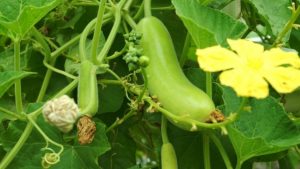
Lauki (Bottle Gourd) (Lagenaria siceraria)
- Botanical Name & Family: Lagenaria siceraria (Molina) Standley, Cucurbitaceae (gourd family).
- Plant Description: Climbing perennial vine, often grown as an annual. Large, circular, velvety leaves. Produces attractive white flowers. Fruits vary greatly in shape (rounded, bottle-shaped, serpentine), can grow over a meter long. Seeds are brownish, rectangular .
- Cultivation Tips: Warm-weather crop, thrives in tropical/subtropical regions. Ideal planting in summer/monsoon. Requires minimum six hours direct sunlight, well-draining soil (with compost). Sow seeds 1.2-2.5 cm deep in mounds. Requires sturdy trellis. Regular watering is vital. Fruits appear 40-50 days after planting. Prune vines at 2.4 meters.
- Ayurvedic Description: Known as Lauki, Ghiya, or Dudhi. Treats diabetes, hypertension, flatulence. Valued for cooling properties, liver benefits, and weight loss. High water content reduces stress/anxiety. Promotes healthy digestion, reduces acidity. Juice beneficial for heart health, sleep, and preventing premature greying. Extremely bitter gourds should be avoided due to cucurbitacins.
Nutritional profile of seasonal vegetable (per 100g raw edible portion):
| Vegetable | Botanical Name | Calories (kcal) | Carbohydrates (g) | Protein (g) | Fat (g) | Fiber (g) | Key Vitamins | Key Minerals |
| Lauki (Bottle Gourd) | Lagenaria siceraria | 14 / 19 | 3.39 / 3.8 | 0.62 / 0.6 | 0.2 / 0.2 | 0.5 / 0.6 | C (10 mg), A (10 µg RAE) | K (150 mg), Ca, Mg, Cu, P, Mn, Fe, Se, Zn, Na |
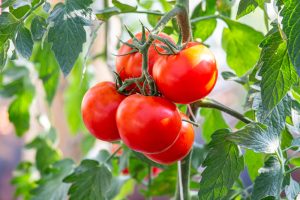
Tomato (Solanum lycopersicum)
- Botanical Name & Family: Solanum lycopersicum, Solanaceae (nightshade family) .
- Plant Description: Vines up to 3 meters tall (bush varieties shorter). Tender perennials, usually grown as annuals. Pubescent stems/leaves. Leaves are odd pinnate. Bisexual, self-fertilizing yellow flowers. Fruit is a berry with locules and seeds.
- Cultivation Tips: Tender warm-season crop, frost-sensitive. Requires approx. 75 days from transplanting to harvest. Ideal temperatures 21-29 °C (day), 18-21 °C (night). Thrives in deep, well-drained sandy loam/loamy soils (pH 6.2-6.8). Requires proper tillage and raised beds. Consistent moisture is crucial. Often picked unripe and ripened with ethylene gas.
- Ayurvedic Description: Technically a fruit, culinary vegetable. Sour taste, generally heating effect. Stimulates appetite and digestive fire (Agni). Aggravating for Pitta and Kapha, pacifies Vata. Excessive sourness can cause burning, thirst, skin issues. Best eaten cooked (reduces tomatine/lectins), with spices like cumin/coriander/turmeric, or cooling agents like coconut milk. Riper fruits are less Pitta-aggravating.
Nutritional profile of seasonal vegetable (per 100g raw edible portion):
| Vegetable | Botanical Name | Calories (kcal) | Carbohydrates (g) | Protein (g) | Fat (g) | Fiber (g) | Key Vitamins | Key Minerals |
| Tomato | Solanum lycopersicum | 18 / 22 | 3.9 / 5 | 0.9 / 1 | 0.2 / 0 | 1.2 / 2 | C (14 mg), K (7.9 µg), A (42 µg RAE) | K (237 mg), P, Mg, Mn, Ca, Fe, Na, Zn |
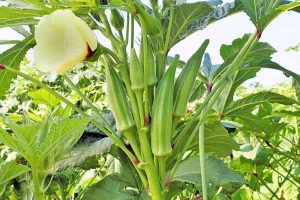
Bhindi (Okra) (Abelmoschus esculentus)
- Botanical Name & Family: Abelmoschus esculentus, Malvaceae (mallow family) .
- Plant Description: Flowering plant cultivated for edible green seed pods. Exact origin debated (South Asia, Ethiopia, West Africa). Alternate, palmately lobed leaves with slimy quality when crushed. Funnel-shaped flowers. Edible part is the fruit (ovary containing seeds).
- Cultivation Tips: Thrives in warm climates with abundant sunlight (6-8 hours). Requires consistent moisture, especially during flowering/fruiting. Well-drained, fertile soil (pH 6.0-6.8). Sow seeds 2.5 cm deep, 30-45 cm apart. Fertilize regularly. Harvest pods when 5-10 cm long, tender, and immature. Regular harvesting encourages continuous production.
- Ayurvedic Description: Known as Bhindi or Lady’s Fingers. Balances all three doshas, particularly Vata and Pitta. Cooling and demulcent (slimy) properties soothe the GI tract (gastritis, leaky gut). Promotes healthy elimination, alleviates constipation. Strengthens bones, lubricates joints, supports skin/hair/nails. Aids heart health, lung health, blood sugar balance, weight loss, and has anti-cancer properties. Often cooked with balancing ingredients like coconut.
Nutritional profile of seasonal vegetable (per 100g raw edible portion):
| Vegetable | Botanical Name | Calories (kcal) | Carbohydrates (g) | Protein (g) | Fat (g) | Fiber (g) | Key Vitamins | Key Minerals |
| Bhindi (Okra) | Abelmoschus esculentus | 33 / 33 | 8 / 8 | 2 / 1.9 | 0 / 0.2 | 3 / 2.1 | C (26 mg), A (4 mcg RAE) | Ca, K, Na, Fe |
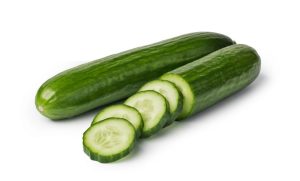
Cucumber (Cucumis sativus)
- Botanical Name & Family: Cucumis sativus, Cucurbitaceae (gourd family).
- Plant Description: Annual, tendril-bearing vine. Widely cultivated for edible fruits. Native to southern Asia. Produces showy yellow flowers. Varieties can be monoecious, gynoecious, or parthenocarpic. Fruits vary in size from small gherkins to long slicing types.
- Cultivation Tips: Subtropical crop, requires long, warm days, abundant sunshine, consistent moisture. Thrives at 24-29 °C, intolerant of frost. Prefers loose, well-drained, organically rich soils (pH 6.0-6.5). Sow seeds 2.5 cm deep. Heavy feeders, benefit from fertilizer. Often grown on support structures. Pick when young.
- Ayurvedic Description: Known as Kakdi, a “cooling elixir.” Refreshing and hydrating. Used in skincare to reduce inflammation, tighten pores, reduce puffiness. Promotes digestive wellness (fiber, water), regulates Vishama Agni. Excellent natural detoxifier (diuretic). Calms nervous system, reduces stress. Remedy for heat exhaustion. Consume whole (peel and seeds). Moderation advised to avoid digestive issues.
Nutritional profile of seasonal vegetable (per 100g raw edible portion):
| Vegetable | Botanical Name | Calories (kcal) | Carbohydrates (g) | Protein (g) | Fat (g) | Fiber (g) | Key Vitamins | Key Minerals |
| Cucumber | Cucumis sativus | 16 / 10 | 2.95 / 2 | 0.62 / 1 | 0.18 / 0 | – / 1 | K (24 mcg), C (9 mg), A (2 mcg RAE) | K (170 mg), Mg, P, Ca, Fe, Na |
Brinjal (Eggplant) (Solanum melongena)
- Botanical Name & Family: Solanum melongena L., Solanaceae (nightshade family) .
- Plant Description: Perennial crop, typically cultivated as an annual. Robust herbaceous plant (0.6-1.2 m tall). Leaves can be purple-tinged green, stems/calyx may have thorns. Flowers are violet (purple to white) with yellow stamens; heterostyly common. Fruits are true berries, showy and edible, varying greatly in size/shape/color.
- Cultivation Tips: Sensitive to cold, requires long, warm season (above 20°C). Frost-sensitive. Cultivated in wide range of soils, prefers well-drained and fertile (pH 5.5-6.6). Start seeds indoors 8-10 weeks before transplanting. Space plants 45-60 cm apart. Requires regular, deep irrigation. Self-pollinating, but assisted pollination can increase yield. Harvest mature fruits when glossy.
- Ayurvedic Description: Known as Baingan or Vrintak. Nutritious, low-calorie, rich in fiber. Aids weight management, cholesterol levels, and heart health. Analgesic and anti-inflammatory. Curative of Vata, digestive stimulant. Excessive consumption can cause heaviness, bloating, or acidic reflux due to Guru (heavy) and Ushna (hot) properties. White brinjal suggested for diabetes. Contains solanine; individuals with arthritis advised to avoid.
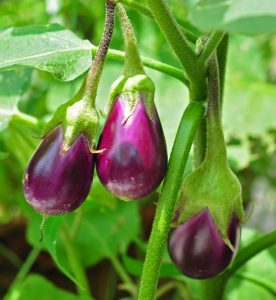
Nutritional profile of seasonal vegetable (per 100g raw edible portion):
| Vegetable | Botanical Name | Calories (kcal) | Carbohydrates (g) | Protein (g) | Fat (g) | Fiber (g) | Key Vitamins | Key Minerals |
| Brinjal (Eggplant) | Solanum melongena | 25 | 5 | 1 | 0 | 3 | C, A | K, Mg, Fe |
Karela (Bitter Gourd) (Momordica charantia)
- Botanical Name & Family: Momordica charantia, Cucurbitaceae (cucumber family) .
- Plant Description: Vigorous, tendril-bearing, frost-tender annual vine (shoots up to 5 m). Rounded, dark green leaves with palmate lobes. Produces gourd-like yellow flowers. Fruits are cylindrical, warty, ripen from green to yellow to orange, splitting to reveal scarlet arils. Ripe fruits/seeds are toxic.
- Cultivation Tips: Warm-weather crop, thrives in 24-27 °C. Prefers well-drained sandy loam/clay loam rich in organic matter (pH 6.0-6.7). Sow seeds early/mid-April (soak first). Optimal germination 20-23 °C. Requires sunny, warm, humid locations. Needs constant nutrient supply (liquid fertilizer). Provide trellis. Harvest unripe fruits 2-3 weeks after flowering (less bitter).
- Ayurvedic Description: Holds significant medicinal value. Packed with nutrients and vitamins (A, C). Beneficial for skin health (blood purification). Manages high blood sugar (due to Tikta (bitter), Deepan (appetizer), Pachan (digestive) properties). Potent antioxidant, anti-inflammatory, hypoglycemic. Supports liver health, digestion, kidney stones. Paste/juice for psoriasis, skin abscesses, dandruff, hair growth. Red-colored seeds should be avoided by children.
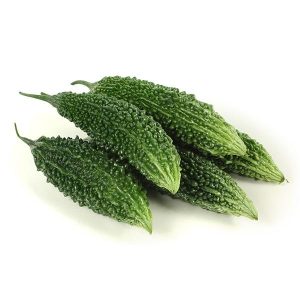
Nutritional profile of seasonal vegetable (per 100g raw edible portion):
| Vegetable | Botanical Name | Calories (kcal) | Carbohydrates (g) | Protein (g) | Fat (g) | Fiber (g) | Key Vitamins | Key Minerals |
| Karela (Bitter Gourd) | Momordica charantia | 16 / 16 | 3 / 3 | 1 / 1 | 0 / 0 | 3 / 3 | C (130% DV), A (9% DV) | Ca, Fe |
Ramatori (Ridge Gourd) (Luffa acutangula)
- Botanical Name & Family: Luffa acutangula, Cucurbitaceae (cucumber family) .
- Plant Description: Tropical and subtropical vine. Fibrous when fully ripened (source of loofah sponge). Cultivated and eaten as a vegetable when young/immature. Not frost-hardy, requires 150-200 warm days to mature.
- Cultivation Tips: Prefers warm, humid climate (25-30 °C). Thrives in sandy loam soils rich in organic matter (pH 6.0-7.0). Planted in summer/monsoon. Sow seeds 3.8-5 cm deep. Requires regular watering, especially during flowering/fruiting. Fertilize every 2-3 weeks. Harvest when 15-20 cm long and tender. Delayed harvesting leads to tough fibers.
- Ayurvedic Description: Known as Koshataki. Bitter variety for medicinal use, non-bitter for vegetable. Medicinal properties: Tikta (Bitter), Laghu (Light), Ruksha (Dry), Tikshna (Pungent), Ushna (Hot). Pacifies Kapha and Pitta. Cleanses large/small intestines. Indicated for cough, cold, chronic poisoning, anemia, inflammation, skin diseases, jaundice. Sweet variety balances all three Doshas, ideal after fever. Caution with bitter variety (emetic/purgative effects).
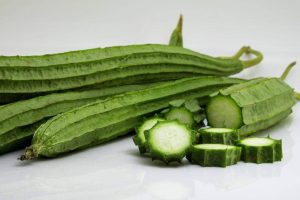
Nutritional profile of seasonal vegetable (per 100g raw edible portion):
| Vegetable | Botanical Name | Calories (kcal) | Carbohydrates (g) | Protein (g) | Fat (g) | Fiber (g) | Key Vitamins | Key Minerals |
| Ramatori (Ridge Gourd) | Luffa acutangula | 59 | 7.2 | 1.4 | – | 2.8 | A, C | – |
Chappan Kaddu (Summer Squash) (Cucurbita pepo)
- Botanical Name & Family: Cucurbita pepo, Cucurbitaceae (gourd family) .
- Plant Description: Annual vine. Diverse species including crookneck, straightneck, scallop, zucchini. Chappan Kaddu is round, small, with neutral flavor. Bushy texture, smaller internodes. Prickly, conspicuously-lobed leaves. Yellow flowers. Fruits are tender, various sizes/shapes, often striped. Seeds integrated within flesh.
- Cultivation Tips: Warm-season vegetable, tolerates lower temperatures (ideal 24-27 °C). Thrives in full sun (6-8 hours). Prefers loam or well-draining sandy loam (pH 6-7.5). Sow seeds Feb-March or Oct-Jan (frost-free). Direct sow 2.5 cm deep, 2-3 seeds per hill. Requires regular watering. Fertilize before planting, then side-dress. Harvest within 50-80 days when tender and glossy.
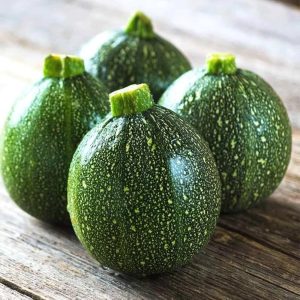 Ayurvedic Description: Healthy ingredient, can be added daily. Neutralizes and cools stomach acids, useful for dyspepsia, hyperacidity, ulcers. Traditionally used for diabetes. High fiber promotes bowel movements, protects against colon cancer. High Vitamin C and beta-carotene for eye health and immunity. Low sodium, high potassium benefits heart health. Gluten-free.
Nutritional profile of seasonal vegetable (per 100g raw edible portion):
| Vegetable | Botanical Name | Calories (kcal) | Carbohydrates (g) | Protein (g) | Fat (g) | Fiber (g) | Key Vitamins | Key Minerals |
| Chappan Kaddu (Summer Squash) | Cucurbita pepo | 17 / 31 | – / 7 | – / 2 | – / 0 | – / 2 | C (37 mg), Folate, A | K (11 mg), Fe, Ca, P, Mn, Na |
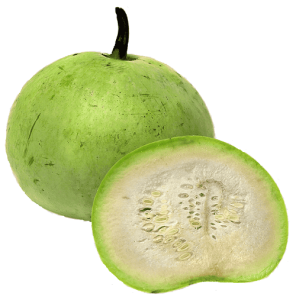
Tinde (Indian Round Gourd) (Benincasa fistulosa)
- Botanical Name & Family: Benincasa fistulosa, Cucurbitaceae (squash-like cucurbit).
- Plant Description: Prolific vine, typically grown as an annual. Small thorns. Fruit is approximately spherical (5-8 cm diameter), green, apple-sized, flattish round (50-60 grams). White flesh, soft ovate seeds. Mild flavor, similar to bottle gourd. Native to India.
- Cultivation Tips: Warm-weather crop, requires lengthy, hot weather. Prefers sandy loam soils rich in organic matter (pH 6.5-7.5). Optimal soil temp for germination 25-32 °C. Sow seeds Jan-Feb. Create long channels 1.5 m apart. Requires irrigation every 4-5 days for summer crop. Fertilize with FYM, NPK. Harvest when fruits are tender (70-80 days after planting).
- Ayurvedic Description: Tremendous therapeutic significance. Water-soluble, high in fiber and antioxidants. Cooling and neutralizing impact on stomach acids (hyperacidity, dyspepsia, ulcers). Traditional treatment for diabetes. Promotes weight loss, improves heart performance, detoxifies kidneys, enhances digestion, strengthens respiratory processes. Battles fevers, jaundice, heart ailments, alopecia, joint illnesses, boosts immunity, regulates thyroid, alleviates insomnia. Juice heals hair/scalp disorders. Generally safe, but always purchase fresh.
Nutritional profile of seasonal vegetable (per 100g raw edible portion):
| Vegetable | Botanical Name | Calories (kcal) | Carbohydrates (g) | Protein (g) | Fat (g) | Fiber (g) | Key Vitamins | Key Minerals |
| Tinde (Indian Round Gourd) | Benincasa fistulosa | 21 / 25 | – / 4 | – / 2 | – / 0 | – / 0 | C (18 mg), A, E | Ca, Fe, Mn, P, Zn, K, Na |
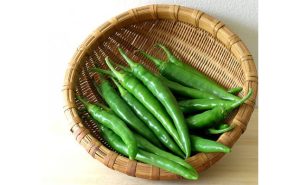
Green Chilly (Capsicum annuum)
- Botanical Name & Family: Capsicum annuum L., Solanaceae (nightshade family).
- Plant Description: Small perennial herb with angular stems. Highly variable species (up to 1.5 m high). Leaves broadly ovate, often wrinkled. Single, white flowers. Fruit is a small berry, oblong/ovoid, typically long and green, containing many seeds. Matures to red, yellow, or black.
- Cultivation Tips: Requires heat and sun to flourish. Frost-tender. Prefers rich, fertile, well-drained soil. Start seeds indoors. Transplant to larger pot when 4 cm tall. Ensure at least 6 hours of sunlight daily. Water 2-3 times a week (allow soil to dry slightly). Fertilize once producing fruit.
- Ayurvedic Description: Spicy, but less so than red chilies. Ayurvedic properties similar to red chilies. Raw green chilies contain more moisture and antioxidants. Balances blood sugar, reduces insulin, lowers heart rate. Good source of beta-carotene, antioxidants, endorphins. Improves digestion (Vitamin C, fiber). Good for vision (Vitamin A, C, copper). Aids weight loss (low calories, increases metabolism). Good for heart health. Excessive consumption can cause stomach irritation, diarrhea, ulcers.
Nutritional profile of seasonal vegetable (per 100g raw edible portion):
| Vegetable | Botanical Name | Calories (kcal) | Carbohydrates (g) | Protein (g) | Fat (g) | Fiber (g) | Key Vitamins | Key Minerals |
| Green Chilly | Capsicum annuum | 40 / 18 | – / 4.3 | 2 / 0.9 | 0.2 / 0.1 | – / 0.7 | C (404 mg), A (2 gm), B complex | K (340 mg), Na, Fe, Ca, Cu |
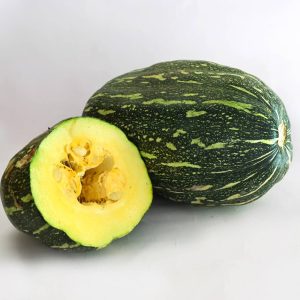
Kaddu (Pumpkin) (Cucurbita pepo, C. moschata, C. maxima)
- Botanical Name & Family: Cucurbita pepo, C. moschata, C. maxima, Cucurbitaceae (gourd family).
- Plant Description: Fruit of certain squash varieties. Hard orange rind with grooves. Very long annual vines. Botanically a pepo (type of berry). Generally large (4-8 kg+), but some varieties are small. Yellowish to orange, various shapes. Hard, woody, ridged, angled fruit stem.
- Cultivation Tips: Requires warm, sunny site, plenty of water, shelter from cold winds. Needs long, hot growing season. Plant individually or in groups on small hills (2.5-3 m apart). Thrives in organic, rich, well-drained sandy soils (pH 6-7.5). Plant seeds 1-2 inches deep. Water deeply and infrequently (1-2 inches/week). Side dress with nitrogen fertilizer once vines develop runners. Harvest when fully colored, rind is hard, vine dies back.
- Ayurvedic Description: Predominantly water and earth elements, making it grounding and hydrating. Sweet taste, cooling effect. Balances Pitta and Vata doshas. Rich in fiber (aids digestion), beta-carotene (skin health), tryptophan (mood booster). Anti-inflammatory, natural immunity enhancer. Pumpkin soup with cumin/black pepper/ginger for digestion. Roasted seeds for snack. Pumpkin face mask for skin.
Nutritional profile of seasonal vegetable (per 100g raw edible portion):
| Vegetable | Botanical Name | Calories (kcal) | Carbohydrates (g) | Protein (g) | Fat (g) | Fiber (g) | Key Vitamins | Key Minerals |
| Kaddu (Pumpkin) | Cucurbita pepo, C. moschata, C. maxima | 30 / 49 | 8 / 19 | 1 / 3 | 0 / 7 | 1 / 7 | A (55 mcg RAE), C (12 mg), K, E | K (8 mg), Fe (5 mg), Cu, Mg, P, Zn, Se, Na |
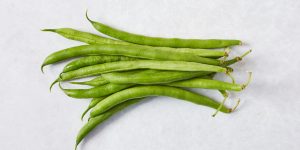
Beans (Phaseolus vulgaris)
- Botanical Name & Family: Phaseolus vulgaris (common bean), Fabaceae (legume family).
- Plant Description: Herbaceous annual plant. Wild varieties are climbing; cultivated varieties are bush or climbing beans. Leaves are trifoliate. Flowers are white, pink, or purple, self-pollinating. Pods (8-20 cm long) contain 4-8 beans. Beans are smooth, plump, kidney-shaped, various colors. Raw/undercooked beans contain toxic phytohaemagglutinin.
- Cultivation Tips: Requires full sun and fertile, well-drained soil. Plant seeds 1 inch deep, 2-3 inches apart in rows 18-24 inches apart. Warm weather vegetable (soil/air temp > 15.5°C). Requires regular watering, especially at flowering. Avoid excessive nitrogen. Bush beans mature in 50-60 days, pole beans longer. Mulching helps retain moisture.
- Ayurvedic Description: Mung beans (Vigna radiata) are considered the “Queen of Pulses” and a superfood in Ayurveda. High in vitamins, minerals, protein, and fiber. High in antioxidants. May lower LDL cholesterol and blood pressure. Fiber and resistant starch aid digestive health. May lower blood sugar and promote weight loss. Folate supports healthy pregnancy. Adzuki beans balance Kapha and Pitta, but can aggravate Vata if not prepared with oil and salt.
Nutritional profile of seasonal vegetable (per 100g raw edible portion):
| Vegetable | Botanical Name | Calories (kcal) | Carbohydrates (g) | Protein (g) | Fat (g) | Fiber (g) | Key Vitamins | Key Minerals |
| Beans | Phaseolus vulgaris | 31 / 36 | 7 / 6.97 | 2 / 1.3 | 0 / 0.22 | 3 / 2.7 | C (14 mg), K (36% DV), B1, B2, B3, B5, B6, B9, E | Ca, Cu, Fe, Mg, Mn, P, K, Se, Na, Zn |