
- Botanical Name & Family: Phaseolus vulgaris (common bean), Fabaceae (legume family).
- Plant Description: Herbaceous annual plant. Wild varieties are climbing; cultivated varieties are bush or climbing beans. Leaves are trifoliate. Flowers are white, pink, or purple, self-pollinating. Pods (8-20 cm long) contain 4-8 beans. Beans are smooth, plump, kidney-shaped, various colors. Raw/undercooked beans contain toxic phytohaemagglutinin.
- Cultivation Tips: Requires full sun and fertile, well-drained soil. Plant seeds 1 inch deep, 2-3 inches apart in rows 18-24 inches apart. Warm weather vegetable (soil/air temp > 15.5°C). Requires regular watering, especially at flowering. Avoid excessive nitrogen. Bush beans mature in 50-60 days, pole beans longer. Mulching helps retain moisture.
- Ayurvedic Description: Mung beans (Vigna radiata) are considered the “Queen of Pulses” and a superfood in Ayurveda. High in vitamins, minerals, protein, and fiber. High in antioxidants. May lower LDL cholesterol and blood pressure. Fiber and resistant starch aid digestive health. May lower blood sugar and promote weight loss. Folate supports healthy pregnancy. Adzuki beans balance Kapha and Pitta, but can aggravate Vata if not prepared with oil and salt.
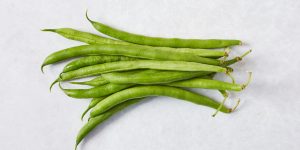
Nutritional profile of seasonal vegetable (per 100g raw edible portion):
| Vegetable | Botanical Name | Calories (kcal) | Carbohydrates (g) | Protein (g) | Fat (g) | Fiber (g) | Key Vitamins | Key Minerals |
| Beans | Phaseolus vulgaris | 31 / 36 | 7 / 6.97 | 2 / 1.3 | 0 / 0.22 | 3 / 2.7 | C (14 mg), K (36% DV), B1, B2, B3, B5, B6, B9, E | Ca, Cu, Fe, Mg, Mn, P, K, Se, Na, Zn |