
BOTANICAL NAME: Cocculus hirsutus (L.) Diels / W.Theob
FAMILY: Menispermaceae
CLASSICAL CLASSIFICATION
– Listed in Bhavaprakasha Nighantu under Guduchyadi Varga.
– Recognised as Patal Garudi in traditional Ayurvedic literature.
ENGLISH NAME: Broom Creeper, Ink Vine
COMMON NAME:
Sanskrit – Patal Garudi, Chilahinta, Mahamula, Sauparni, Dirghakanda, Dridhavalli
Hindi – Jal Jamani, Jamti ki bel
Gujarati – Vevati
Telugu – Dusari Tige
REFERENCE: BHAVAPRAKASH SAMHITA with link e Nighantu:
https://niimh.nic.in/ebooks/e-Nighantu/bhavaprakashanighantu/?mod=read
छिलिहिण्टो महामूलः पातालगरुडाह्वयः |
छिलिहिण्टः परं वृष्यः कफघ्नः पवनापहः ||२२१||HABITAT: A perennial climbing shrub found throughout tropical and subtropical regions of India; grows in dry, open lands and forest margins.
BOTANICAL DESCRIPTION:
A climbing shrub (twiner) reaching 2–3 m or more. Leaves vary in shape (ovate, lobed) with a hairy surface.
Flowers: unisexual, axillary clusters.
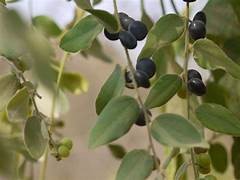
Fruit: small drupe, purple when ripe.
Root and stem parts also used; plant has velvety texture.
AYURVEDIC CHARACTERISTICS:
| RASA | GUNA | VEERYA | VIPAKA | PRABHAVA | DOSHGHNTA |
| Tikta | Laghu , Picchila | Usna | Katu | tridoshshamaka |
AYURVEDIC ENERGETICS:
| TASTE | PROPERTY | POTENCY | POST DIGESTION EFFECT | EFFECT ACTION | DOSHA EFFECT |
bitter | light , stickiness | Hot | Pungent | Balances all three doshas |
MAJOR CHEMICAL CONSTITUENTS: Contains alkaloids like trilobine, isotrilobine, coclaurine, hirsutine, cohirsinine, magnoflorine, jamatinine, along with flavonoids and sterols such as β-sitosterol.
THERAPEUTIC USES:
Acts as Vrishya (aphrodisiac), improves reproductive health.
Beneficial in skin diseases, wounds, ulcers.
Useful in urinary and digestive disorders.
Helps in fever, poisoning, and blood purification.
Shows antioxidant, hepatoprotective, cardioprotective, and antidiabetic effects.
INDICATIONS
Reproductive weakness, seminal disorders
Skin disorders and wound healing
Urinary tract infections, retention
Indigestion, poor appetite
Poisoning, heat disorders, joint pain
USEFUL PART: Root, Leaf, Stem
DOSAGE:
Juice or extract: 10–20 ml