
BOTANICAL NAME: Annona squamosa
FAMILY: Annonaceae
ENGLISH NAME: Custard Apple, Sugar Apple, Sweet-sop
COMMON NAME:
Sanskrit – Sitaphalam
Hindi – Sitaphal
Kannada – Sitaphala
Tamil – Sitaaphalam, Atta
Telugu – Sitappalam
HABITAT: A native to South America and the West Indies; now cultivated throughout India
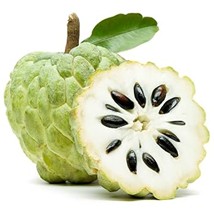
BOTANICAL DESCRIPTION: Sitaphala is a small to medium sized tree growing and cultivated in the temperate climate of India. The tree is a native of West Indies and American continent. The bark of the plant is pale brown in color. The leaves are thin, 10-15 cm long and 2-6 cm wide, rounded at the base and pointed at the tip. The flowers are solitary or in short clusters of 2-4, about 3 cm long and pale green to pale yellow in color. The fruits are round to heart shape, pale green to pale yellow in color and 6-10 cm in diameter. The pulp inside the fruit is pale yellow, sweet and aromatic. The seeds inside the fruit are black and bitter in taste.
AYURVEDIC CHARACTERISTICS:
| RASA | GUNA | VEERYA | VIPAKA | PRABHAVA | DOSHGHNTA |
| Madhura, | Sheeta | Sheeta | Madhura | VattaPita shamaka |
AYURVEDIC ENERGETICS:
| TASTE | PROPERTY | POTENCY | POST DIGESTIVE EFFECT | EFFECT ACTION | DOSHA ACTION |
| Sweet | Cold | Cold | Sweet | Reduces vitiated vata and pitta dosha |
MAJOR CHEMICAL CONSTITUENTS: The leaf and root of the plant contains squamone and bullatacinone. The root also contains Anoniane, Rocemerine, Norcorydine, Iscocorydine, glaucin etc alkalodis .The leaves contain a cardiotonic alkaloid, quinoline. Seeds of the plant contain annonacin A & annonastatin
THERAPEUTIC USES:
- Root of sitaphala is made into decoction and given in a dose of about 50 ml to treat diarrhea.
- Paste of the leaf and root of Annoina squamosa is made into paste and applied over the area affected with fungal infection of the skin.
INDICATIONS:
Fever, Skin Disease, Cough, Piles, Leucorrhoea,Vomiting
USEFUL PART: Bark, leaf, fruit
DOSAGE:
Leaf juice 10-15 ml
Powder 2-4 g
Decoction 50-100 ml