
BOTANICAL NAME: Gardenia gummifera
FAMILY: Rubiaceae
CLASSICAL CLASSIFICATION:
Dhanvantari Nighantu- Shatapushpadi varga
Raja Nighantu- Pippalyadi varga
ENGLISH NAME: Cambia gum or resin
COMMON NAME:
Sanskrit – Ramatha, Palasha, Vamshapatra
Hindi – Dikamali
Kannada – Bikke, Bukke, Dikkemalli
Tamil Name – Dikamalapi, Sinna kambil
Telugu Name – Telbampa
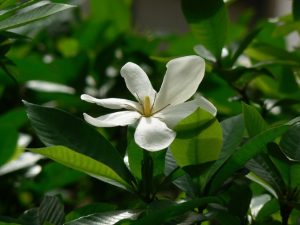
HABITAT: Nadihingu is a shrub or small tree native to India and Sri Lanka, with a habitat in hilly and tropical regions, specifically within wild, dry deciduous forests and degraded slopes. It grows at altitudes ranging from 450 to 1100 meters and is also found in thickets
BOTANICAL DESCRIPTION:
It is characterized by its glossy, dark green, leathery leaves, and its flowers. The flowers of the plant are white in color which later turns to pale yellow. Fruits are found in June to August. Resin is obtained by making a cut on the stem or branches of the plant and the resin resembles the gum of asafetida in color and Odor
AYURVEDIC PROPERTIES:
| RASA | GUNA | VEERYA | VIPAKA | PRABHAVA | DOSHGHNTA |
| Katu, Tikta | Laghu, Ruksha | Ushna | Katu | Kaphavata shamaka |
AYURVEDIC ENERGETICS:
| TASTE | PROPERTY | POTENCY | POST DIGESTIVE EFFECT | EFFECT ACTION | DOSHA ACTION |
| pungent, Bitter | Light Dry | Hot | Pungent | Reduces vitiated Kapha and vata dosha |
MAJOR CHEMICAL CONSTITUENTS:
The gum contains flavonoids like gardenin, nevadensin, wogonins, isocutellarein, apigenin and de- MeO- sudachitin.
THERAPEUTIC USES:
- The paste or the resin of Gardenia gummifera is applied over the wounds and area with pain. It is then tied with clean bandage cloth to reduce the complaints.
- The resin of the plant is kept over the tooth or gum affected with dental caries and inflammation of the gums.
INDICATIONS:
Vibandha – constipation
Anaha – bloating, fullness
USEFUL PART: Resin/Gum
DOSAGE:
250-500 mg of resin powder
AYURVEDIC FORMULATION:
- Hingwashtaka Churna
- Avipattikar Churna
- Shankha Bhasma