
BOTANICAL NAME: Costus speciosus (Koeing Sm.), Cheilocostus speciosusCostus speciosus (Koeing Sm.), Cheilocostus speciosus
FAMILY: Zingiberaceae (Ardraka kula)
CLASSICAL CLASSIFICATION
Charaka samhita-
Krmighna – group of herbs useful in the treatment of intestinal worm infestation
Tikta skandha – bitter tasting group of herbs
Bhavaprakasha- Haritakyadi varga
ENGLISH NAME: Cane reed, Wild ginger, crepe ginger
COMMON NAME:
Hindi name– Kembu, Peyun
Kannada name- Chengaluva
Tamil name- Ven kottam, Vasabu
Telugu name- Kevu Kanda
REFERENCE: BHAVAPRAKASH SAMHITA with link e Nighantu:
https://niimh.nic.in/ebooks/e-Nighantu/bhavaprakashanighantu/?mod=read
कुष्ठरोगाह्वयं वाप्यं पारिभव्यं तथोत्पलम् |
कुष्ठमुष्णं कटु स्वादु शुक्रलं तिक्तकं लघु |हन्ति वातास्रवीसर्पकासकुष्ठमरुत्कफान् ||१५२||
HABITAT:
The plant is seen all over India especially in Assam, Bengal, Goa and parts of Maharashtra.
BOTANICAL DESCRIPTION:
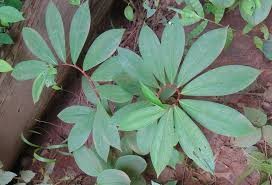
Kembuka is a small plant growing to a height of 1- 3 m, resembling a ginger plant. The leaves are 6-12 inches long, slightly oval and 3-4 inches wide. The flowers are found in clusters, white in color with a reddish end and 2-4 inches long. They are seen during the rainy season. The rhizomes are slightly slimy, astringent in taste and used like vegetables in some parts of the Indian subcontinees.
AYURVEDIC CHARACTERSTICS:
| RASA | GUNA | VEERYA | VIPAKA | PRABHAVA | DOSHGHNTA |
| Tikta Kashaya | Laghu Ruksha | Sheeta | Katu | Kaphpitta shamaka |
AYURVEDIC ENERGETICS:
| TASTE | PROPERTY | POTENCY | POST DIGESTIVE EFFECT | EFFECT ACTION | DOSHA ACTION |
| Astringent, Bitter | Light, dry | COOLING | pungent | pacifies Kapha & Pitta |
MAJOR CHEMICAL CONSTITUENTS:
The rhizomes contain Costusosides, Saponins- dioscin, gracillin and beta-sitosterol- beta-D-glucoside.
THERAPEUTIC USES:
- Digestive: Improves appetite and digestion; useful in indigestion, colic, and diarrhea.
- Metabolic: Antidiabetic and anti-obesity; regulates blood sugar and metabolism.
- Respiratory: Relieves cough, asthma, and bronchitis by reducing Kapha.
- Skin: Useful in eczema, itching, and other skin diseases; purifies blood.
- Urinary: Acts as diuretic; helpful in urinary infections and stones.
- Reproductive: Aphrodisiac; improves fertility and menstrual health.
- Musculoskeletal: Anti-inflammatory and analgesic; relieves joint pain and arthritis.
- Liver: Supports liver function and detoxification.
- General: Acts as Rasayana (rejuvenative), enhances strength and immunity
INDICATIONS
Jwara – fever of Kapha and Pitta
Kushta – skin diseases
Kasa – cough, cold
Prameha – Urinary tract disorders, diabetes
Asra – blood disorders such as abscess, skin disorders, bleeding disorders such as menorrhagia, nasal bleeding etc.
USEFUL PART: Rhizome
DOSAGE:
Powder- 3 to 6 g
Juice- 10 to 20 ml