
BOTANICAL NAME: Salix alba / Salix caprea
FAMILY: Salicaceae
ENGLISH NAME: Willow
COMMON NAME:
Hindi: Bed (बेद), Baid
Punjabi: Vaid, Beirh
Gujarati: Vet
REFERENCE: BHAVAPRAKASH SAMHITA with link e Nighantu:
https://niimh.nic.in/ebooks/e-Nighantu/bhavaprakashanighantu/?mod=read
वेतसो मधुरः शीतो रक्तपित्तविनाशनः ।
दाहकण्डूविसर्पेषु हितो मूत्रे च शोणिते ॥
HABITAT:
Commonly found on river banks, ponds, wetlands and moist soil regions.
Widely seen in North India, Himalayan foothills, Punjab, Kashmir, Uttarakhand.
BOTANICAL DESCRIPTION:
A medium to tall deciduous tree.
Leaves narrow-lanceolate, green above, silvery beneath.
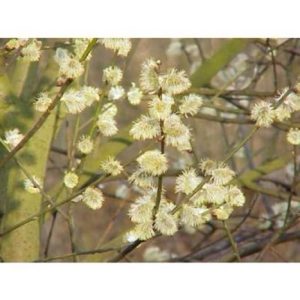
Flowers appear as catkins.
Bark is gray-brown, used medicinally.
Taste: Slightly bitter-astringent.
AYURVEDIC CHARACTERISTICS:
| RASA | GUNA | VEERYA | VIPAKA | PRABHAVA | DOSHGHNTA |
| Madhur, Kashaya, Tikta | Laghu, Ruksha | Sheeta | Katu | Raktapitta Shamak | Pitta Shamak, Rakta Shodhak |
AYURVEDIC ENERGETICS:
| TASTE | PROPERTY | POTENCY | POST DIGESTIVE EFFECT | EFFECT ACTION | DOSHA ACTION |
| Sweet + Slight Bittert | Light, Dry | Cold | Pungent | Dahaprashamana, Shothahara, Mutral | Pacifies Pitta; Helps in Rakta shuddhi |
MAJOR CHEMICAL CONSTITUENTS:
Salicin (similar to basic Aspirin action), Flavonoids, Tannins.
THERAPEUTIC USES:
- Raktapitta (Bleeding disorders)
- Daha (Burning sensation)
- Kandu & Visarpa (Skin inflammation, itching)
- Jvara (Fever)
- Mutra krichchhra (Painful or burning urination)
- Shotha (Swelling, inflammation)
INDICATIONS:
Raktapitta, Amlapitta, Daha, Mutrakricchhra, Shotha, Twak-roga (skin disorders).
USEFUL PART:
Tvak (Bark), Patra (Leaves), Twigs
DOSAGE:
Churna: 3–6 g
Kwath / Decoction: 40–80 ml
Bark paste local application for inflammation or burning.
AYURVEDIC FORMULATION:
- Vetas Twak Kashaya
- Vetas Twak Churna
- Raktapitta Nashak Yoga (Various classical combinations)